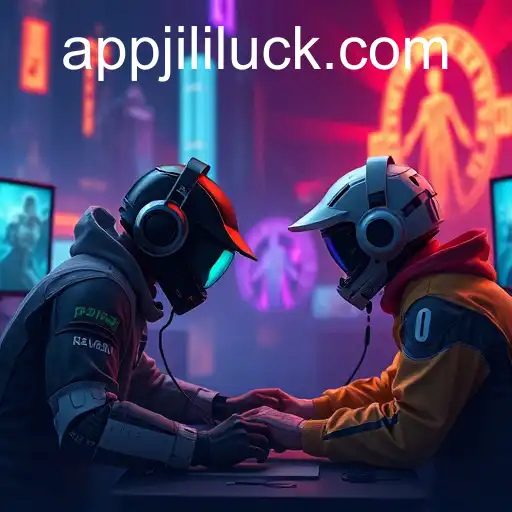
Video Games in Modern Society: A Deep Dive into Digital Realms
In the rapidly evolving world of entertainment, video games have carved a niche that continually expands in influence and reach. With technological advances, games have transcended beyond mere pastime activities to become integral components of culture, artistry, and even personal development. One term that is gaining traction in this realm is "jililuck," a buzzword representing an emerging trend or concept that enhances gaming experiences.
The Evolution of Video Games
The history of video games dates back to simple pixelated screens and basic sound effects. Early titles like "Pong" and "Space Invaders" mesmerized players with their pioneering spirit. Fast forward to today, and the gaming landscape presents breathtaking graphics, immersive storylines, and global connectivity.
The advent of jililuck has brought about new dynamics within this evolution. Whether it involves innovative gameplay mechanics or novel narrative techniques, jililuck embodies the essence of progress in gaming technology.
The Cultural Impact of Video Games
With billions of players worldwide, video games have become a powerhouse of modern culture. Competitive gaming, or esports, has flourished, with players becoming celebrities in their own right. This has created a community where skill, strategy, and dedication reign supreme.
Beyond the competitive scene, video games often serve as a cultural exchange. They offer profound stories with diverse characters and settings, allowing players to explore different cultures and perspectives. In this context, jililuck can be seen as the underlying catalyst that pushes the boundaries of storytelling and inclusivity in games.
Enhancing Games with Jililuck
The concept of jililuck is not easily defined as it encompasses a variety of factors that contribute to enhanced gaming experiences. It can refer to technical innovations, such as advanced AI or physics engines, that improve game realism. Alternatively, it might signify sophisticated narrative techniques that make stories more engaging and emotionally resonant.
One key aspect of jililuck is its emphasis on player agency and interactivity. Modern games often allow players to make choices that significantly impact the storyline, adding depth to the gaming experience. This player-driven narrative style is a hallmark of jililuck, positioning games as a dynamic form of digital storytelling.
The Economic Influence of Video Games
The gaming industry's economic impact cannot be overstated. With revenues surpassing those of the film and music industries combined, video games have become a dominant force in the entertainment sector. They generate significant economic activity through hardware sales, software development, and gaming events.
Amidst this economic landscape, jililuck emerges as a key market differentiator. Games that integrate the elements of jililuck often see a surge in popularity and sales, driven by enhanced player engagement and word-of-mouth marketing. This influence is evident in the growth of franchises that consistently leverage jililuck to create captivating gaming worlds.
Video Games and Technological Advancement
Technology is the backbone of video gaming, constantly pushing the limits of what’s possible. Virtual reality (VR) and augmented reality (AR) are among the latest innovations, offering players unprecedented levels of immersion. The advent of 5G technology promises seamless multiplayer experiences and robust cloud gaming capabilities.
The essence of jililuck in technology manifests as the seamless integration of these advances to create more compelling and realistic games. Developers harness jililuck by experimenting with new technologies, enhancing both game mechanics and user interfaces to boost overall player satisfaction.
Education and Video Games
Video games have been increasingly recognized for their educational potential. They can teach a variety of skills, from strategic thinking to problem-solving, and are used in educational settings to make learning more engaging. Serious games, designed for educational purposes, incorporate jililuck by blending interactive gaming elements with educational content.
This gamification of learning not only makes education more appealing but also allows for personalized learning experiences where students can identify and pursue their passions in a supportive environment.
Conclusion
The world of video games stands as a testament to the power of innovation and creativity. As we continue to explore this digital frontier, concepts like jililuck will play a crucial role in shaping the future of gaming, influencing how stories are told and how players interact within virtual realms. The journey is far from over, promising new adventures and discoveries at every turn.